If you’ve stood before Botticelli’s Primavera, wandered through the Uffizi’s golden halls, or paused beneath Michelangelo’s ceiling in the Sistine Chapel, you’ve already touched the surface of Italy’s immense artistic heritage. But what lies beyond those iconic moments? For the extraordinary traveler — the one who returns to Italy not for checklists, but for layered encounters with culture — there is another Italy to discover.
Far from the crowds, five hidden museums await. They do not advertise themselves with grandeur or queues, but reward the curious with beauty, stillness, and stories that whisper rather than shout.
1. Museo della Madonna del Parto – Monterchi, Tuscany
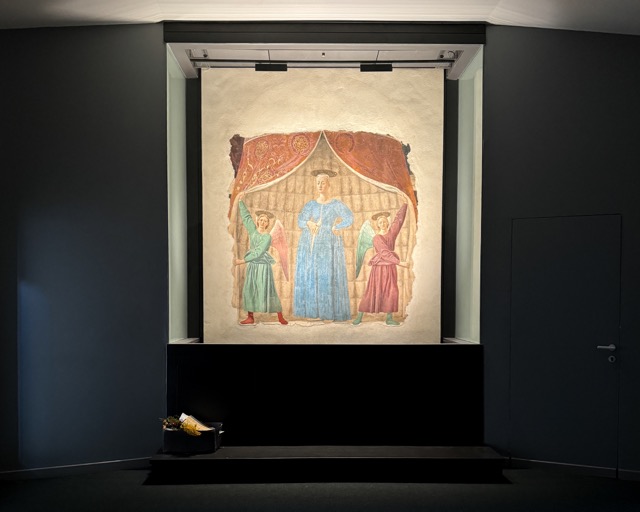
In the quiet village of Monterchi, nestled in the rolling hills of eastern Tuscany, a modest building holds one of the most moving masterpieces of the Italian Renaissance. The Madonna del Parto, painted by Piero della Francesca, is a rare depiction of a visibly pregnant Virgin — a vision of strength and grace, serene and monumental in its simplicity.
The museum is built around this single fresco. There are no crowds, no distractions. The space is hushed, almost reverential, offering the visitor a deeply personal encounter. You don’t simply look at the Madonna — you spend time with her. She returns your gaze with an expression that feels both ancient and intimate.
2. Casa Museo Hendrik Christian Andersen – Rome
Just beyond the Villa Borghese gardens, in a quiet corner of Rome’s Flaminio district, lies a neoclassical villa filled with colossal sculptures and impossible dreams. This was the home and studio of Hendrik Christian Andersen, an American artist who believed that beauty could transform society. He imagined a utopian “World City” — and though the city was never built, his vision survives in marble and plaster.
The museum feels untouched by time. Immense statues stand bathed in natural light, drawings of ideal cities line the walls, and the echoes of a forgotten artistic optimism fill the rooms. To walk through Andersen’s world is to feel suspended between myth and modernity — an experience as dreamlike as it is inspiring.
3. Palazzo Butera – Palermo, Sicily
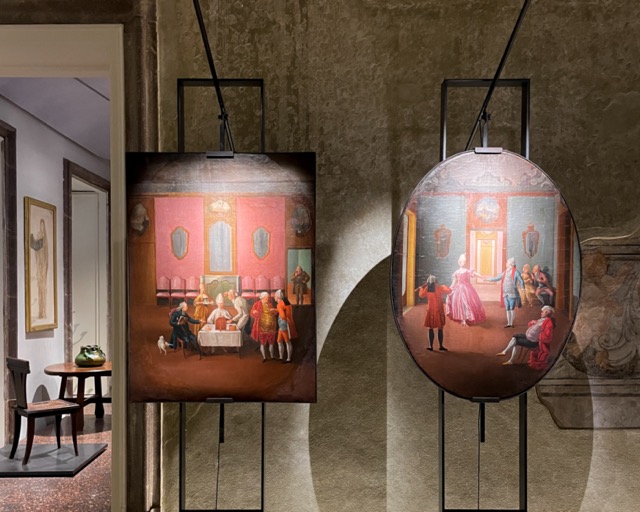
Overlooking the sea in Palermo’s Kalsa district, Palazzo Butera is a magnificent 18th-century palace that has been reimagined as a living cultural project. Painstakingly restored by its current owners — collectors Francesca and Massimo Valsecchi — the building is not a museum in the traditional sense, but rather a space where historic architecture and contemporary art coexist in elegant dialogue.
As you move through the frescoed halls, you’ll encounter site-specific installations, conceptual works, and antique furnishings in striking juxtapositions. This is a place where centuries speak to each other — where the baroque and the minimalist don’t compete, but collaborate. It’s Sicilian history seen through a global, intellectual lens.
4. Museo Etrusco Guarnacci – Volterra, Tuscany
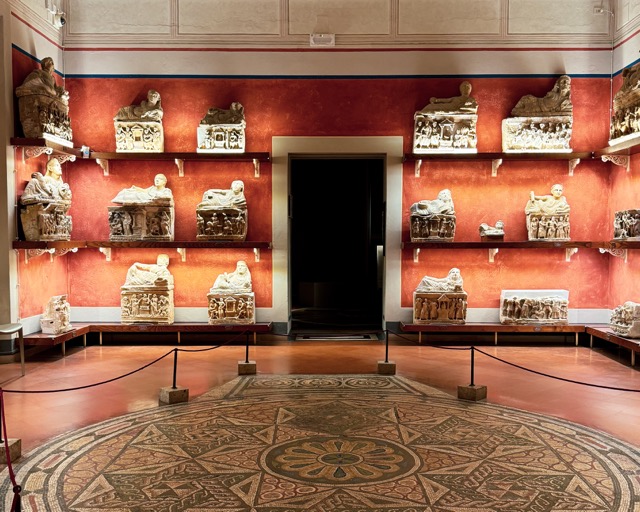
Volterra is a town of windswept cliffs and ancient memory, and its Etruscan museum captures that spirit with haunting clarity. Housed in a former episcopal palace, the Guarnacci collection is one of the oldest in Europe. The rooms are lined with hundreds of funerary urns — some intricately carved, others eerily abstract — each one a vessel of time, grief, and reverence.
Among the museum’s most iconic pieces is the Ombra della Sera, a tall, slender bronze figure whose elegance rivals any modern sculpture. The museum doesn’t attempt to overwhelm — instead, it invites you into quiet contemplation, encouraging a slower rhythm of seeing. You leave not with facts, but with a feeling: the presence of a civilization that shaped Italy long before Rome rose.
5. Oplontis – Torre Annunziata, Campania
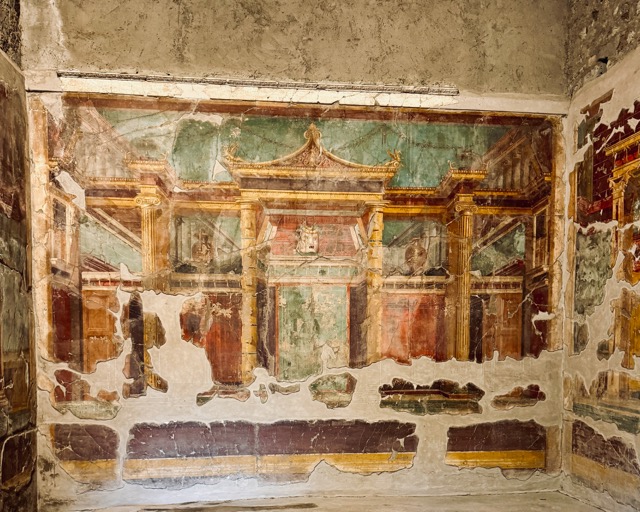
Hidden in plain sight between the ruins of Pompeii and Herculaneum, Oplontis offers a haunting, intimate alternative to its more famous neighbors. Here lies the Villa of Poppaea, believed to have been the seaside residence of Emperor Nero’s second wife. Preserved beneath layers of volcanic ash from the eruption of Vesuvius in 79 AD, the villa’s frescoes remain startlingly vivid, its peristyles and gardens astonishingly intact.
Unlike Pompeii, Oplontis receives few visitors. You walk alone through vast rooms once reserved for imperial luxury, gaze at mythological scenes painted two thousand years ago, and stand at the edge of a grand pool where Rome’s elite once lingered. It is immersive, sensorial, and utterly transporting — a time capsule not just of architecture, but of atmosphere.
Planning a journey to Italy?
If you’re seeking beauty beyond the obvious, let us design a journey shaped by curiosity, silence, and grace. Write to us — and let these hidden places become part of your story.

